Neurotech builds closed-loop neurostimulation systems that record cortical and subcortical activity, detect pathological patterns, and deliver stimulation within milliseconds. Our devices are implanted in 41 hospitals across Europe and treat Parkinson's disease, essential tremor and drug-resistant focal epilepsy.
Demonstration stream from a bench unit. No patient data is transmitted to this page.
A neurostimulator is only as good as what it hears. The NT-100 records on the same electrodes it stimulates with, so therapy is adjusted by the brain itself rather than by a clinic visit every six months.
Titanium-encased pulse generator with on-board signal processing. Recharges transcutaneously in 45 minutes; expected service life of nine years.
64 platinum-iridium contacts on a 0.4 mm polyimide substrate. Conforms to the cortical surface without dural retraction and is placed through a standard burr hole.
Tablet software used at the bedside to review recordings, set detection thresholds and document programming sessions. Runs offline; syncs to the hospital network on demand.
NT-100 and CA-64 are CE-marked in the European Union. In the United States, both devices are investigational and limited by federal law to investigational use.
Neurotech runs its trials with academic sponsors and registers them before the first patient is enrolled. Below is the current state of our clinical programme, including the study that did not meet its primary endpoint.
| Study | Indication | Design | Patients | Primary endpoint | Status |
|---|---|---|---|---|---|
| Pivotal trial, Parkinson's disease NCT registered 2019 |
Advanced Parkinson's disease | Randomised, double-blind, sham-controlled | 214 | Met — 3.6 h increase in daily on-time without troublesome dyskinesia at 12 months | Published |
| Pivotal trial, focal epilepsy NCT registered 2021 |
Drug-resistant focal epilepsy | Randomised, blinded, active comparator | 188 | Met — median seizure frequency reduced by 61% at 12 months | Published |
| Essential tremor feasibility study NCT registered 2022 |
Medication-refractory essential tremor | Open-label, single arm | 36 | Not met — no significant difference versus continuous stimulation | Discontinued |
| Long-term follow-up registry Ongoing since 2018 |
All implanted indications | Prospective observational registry | 4,902 | Device survival and serious adverse events at 5 years | Enrolling |
Neurotech operates a quality management system certified to ISO 13485:2016 and applies ISO 14971 to risk management across the product lifecycle. Electrical safety and essential performance are assessed against IEC 60601-1 and IEC 60601-1-2. Software is developed under IEC 62304. Our notified body is based in Zürich; certificate numbers are available on request.
Clinicians and patients can report a suspected device incident at any time. Reports reach our vigilance team in Basel within one working day and are handled under the reporting obligations of EU Regulation 2017/745.
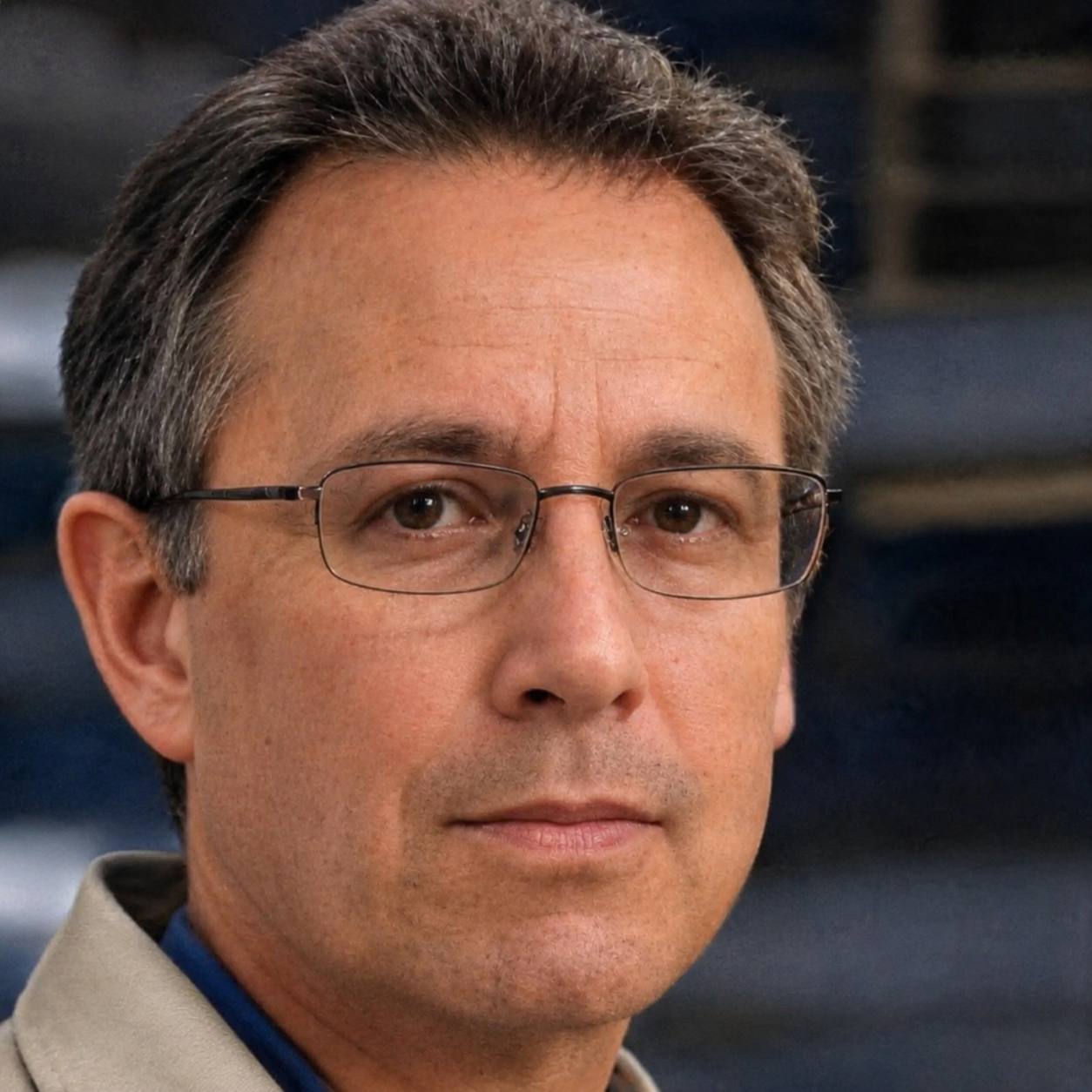
Neurotech AG was founded in 2011 by Beat Alain, a biomedical engineer who spent four years building recording hardware for a neurosurgery department and grew tired of watching good electrodes fail at the tissue interface. The company is privately held and remains headquartered in Basel.
-->
"We are not in the business of making the brain do what we want. We are in the business of listening carefully enough that the stimulation we deliver is the smallest one that works."
Beat Alain studied electrical engineering in Delft and worked as a research engineer in the neurosurgery department of a Swiss university hospital before founding Neurotech in a rented laboratory in Basel with three colleagues. He has served as chief executive since 2011 and holds 14 granted patents on electrode fabrication and closed-loop stimulation control.
He chairs the company's design review board and still signs off on every design change that touches the implanted hardware.
Engineers sit in on implant procedures. Clinical affairs sits in on design reviews. Nobody at Neurotech ships a change to an implanted device without a neurosurgeon in the room, and nobody publishes a number that our own biostatisticians have not checked against the raw data.
We keep manufacturing in Switzerland — arrays are assembled and inspected in Allschwil, twenty minutes from the office — because the tolerances that matter are the ones you can walk down the corridor and argue about.
Neurotech AG is a privately held Swiss stock corporation registered with the Commercial Register of the Canton of Basel-Stadt. The founder retains a controlling stake. The board includes representatives of our institutional investors and two independent members with clinical backgrounds.
An independent clinical advisory board of practising neurosurgeons and neurologists meets quarterly and has a standing mandate to halt any study on safety grounds.
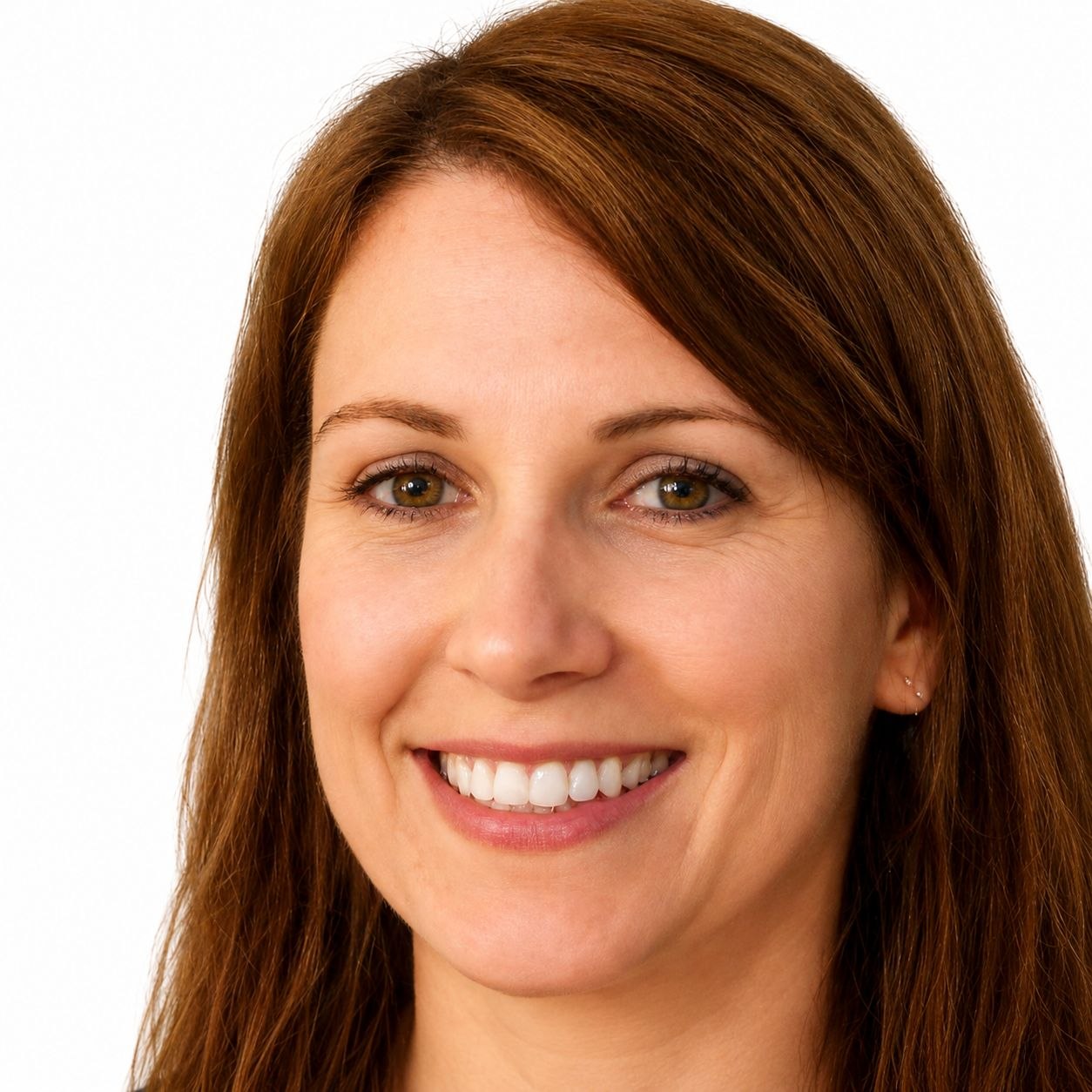
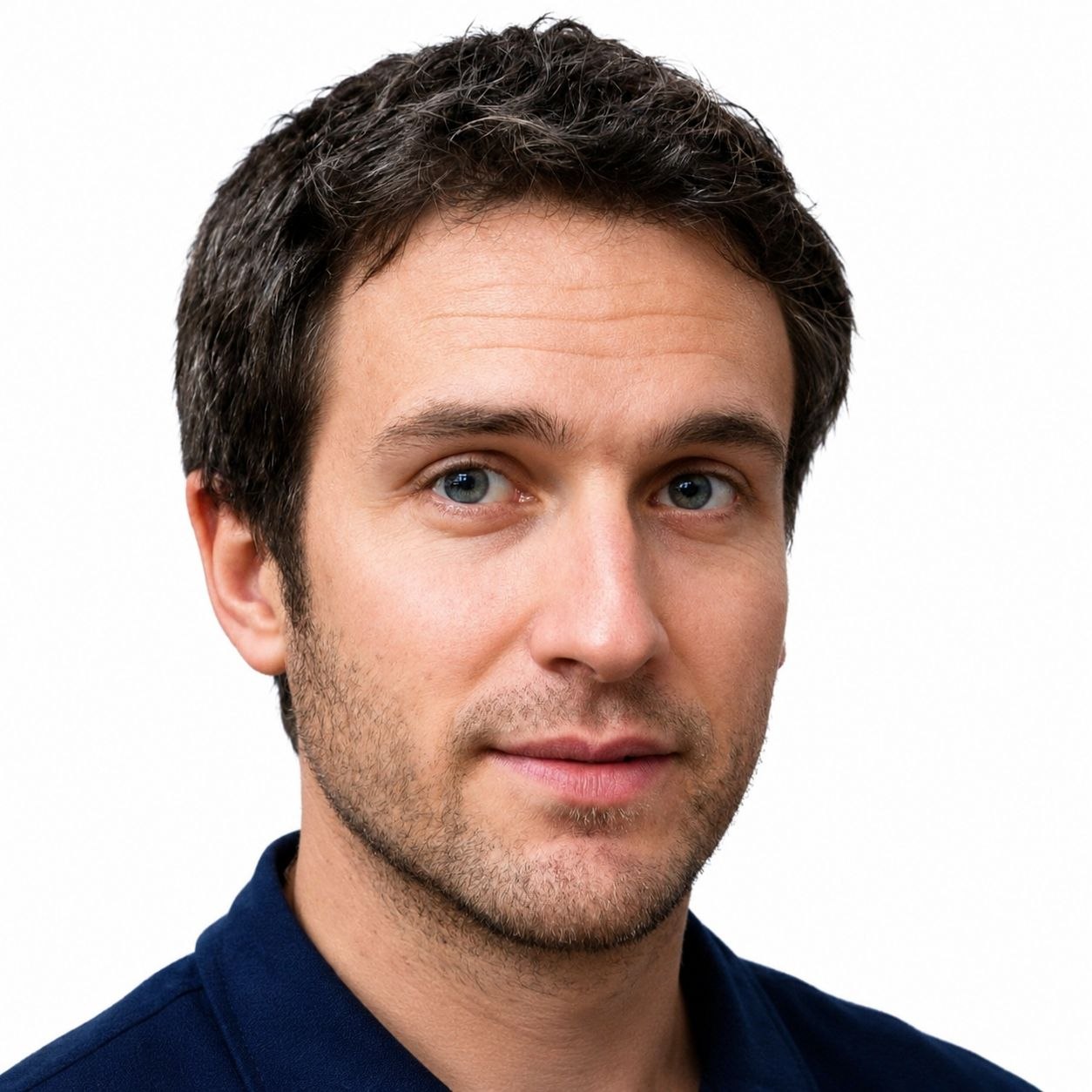
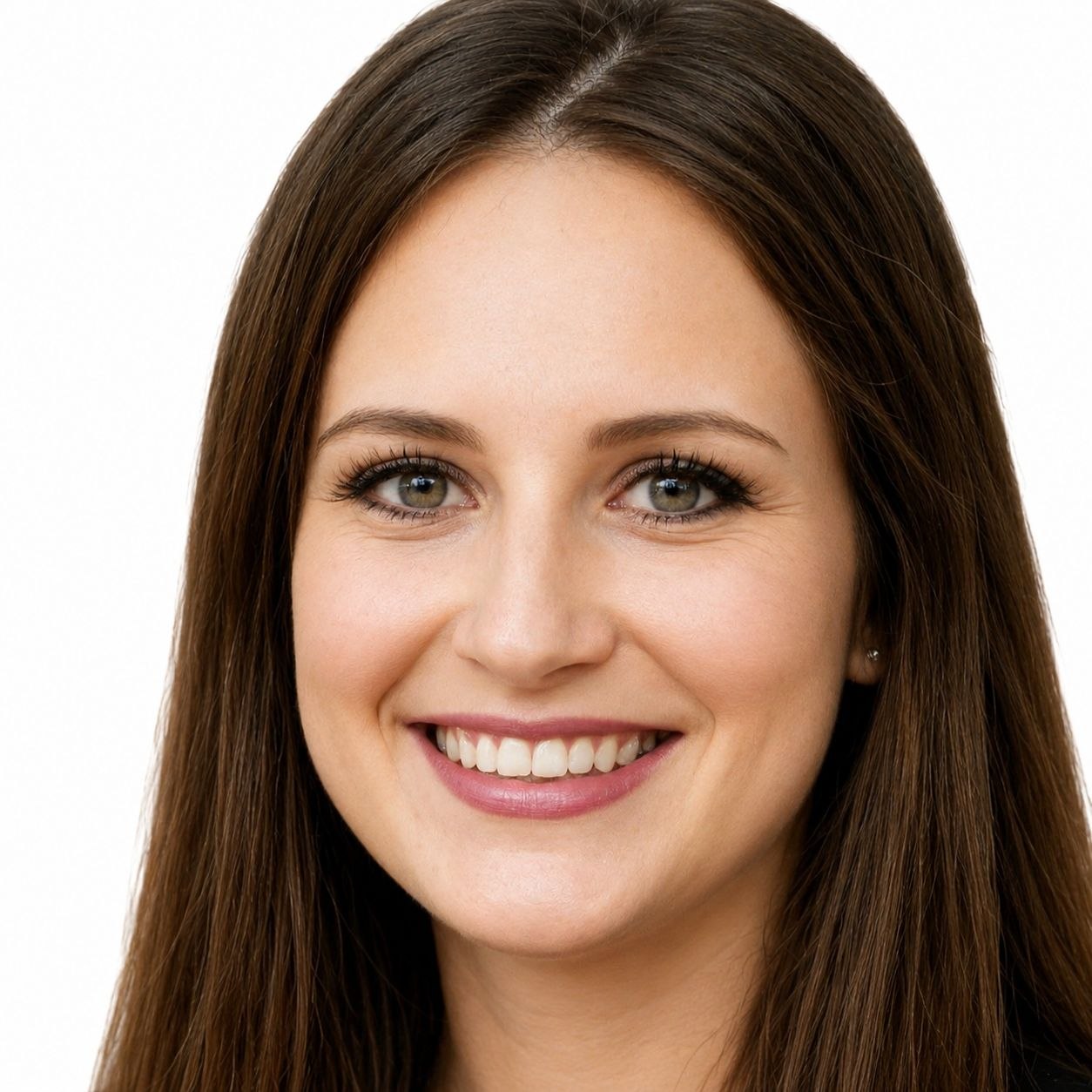
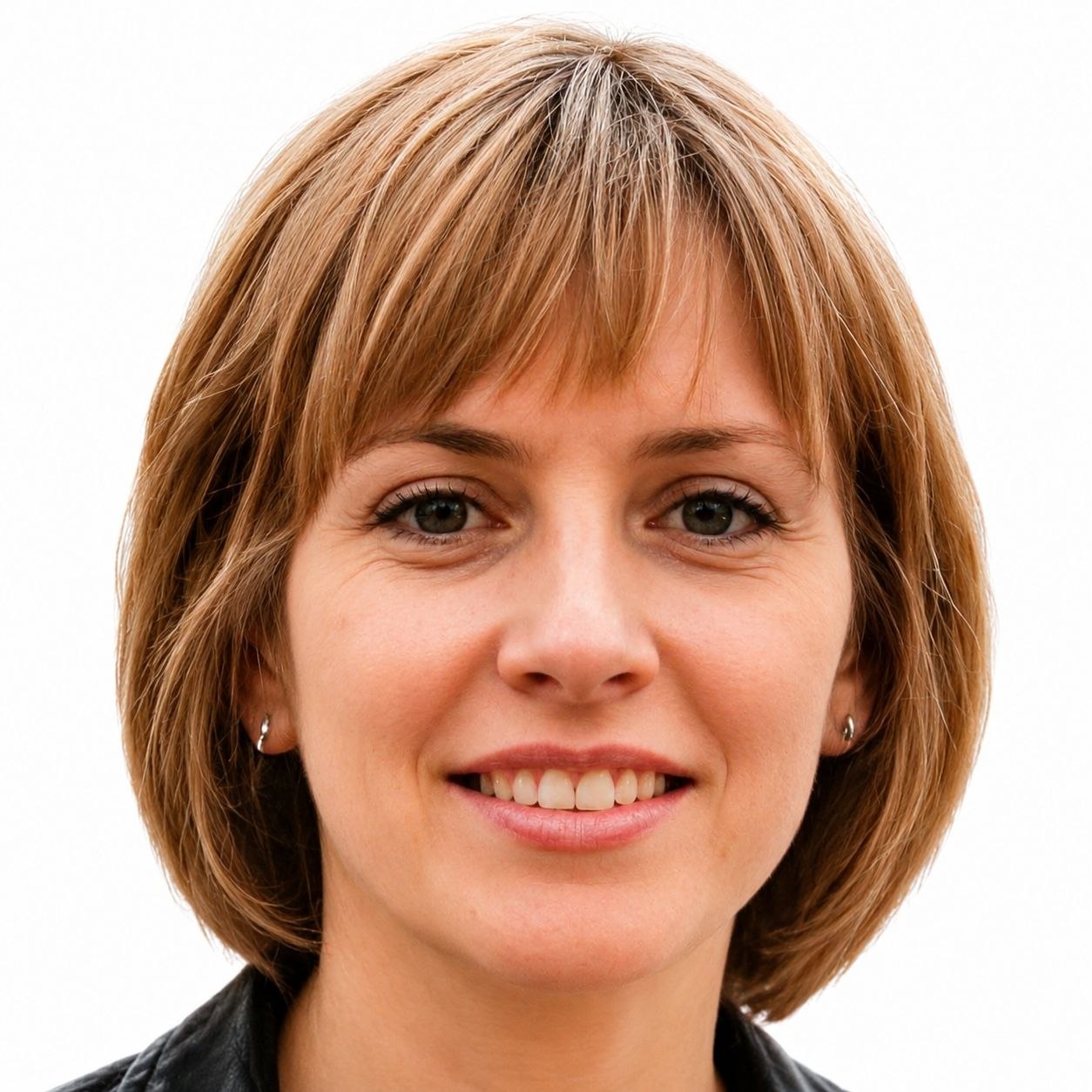
Our medical and clinical organisation is led by practising physicians. Most keep an operating list or a clinic one day a week, which is the only way to stay honest about what a device does once it leaves the building.
-->
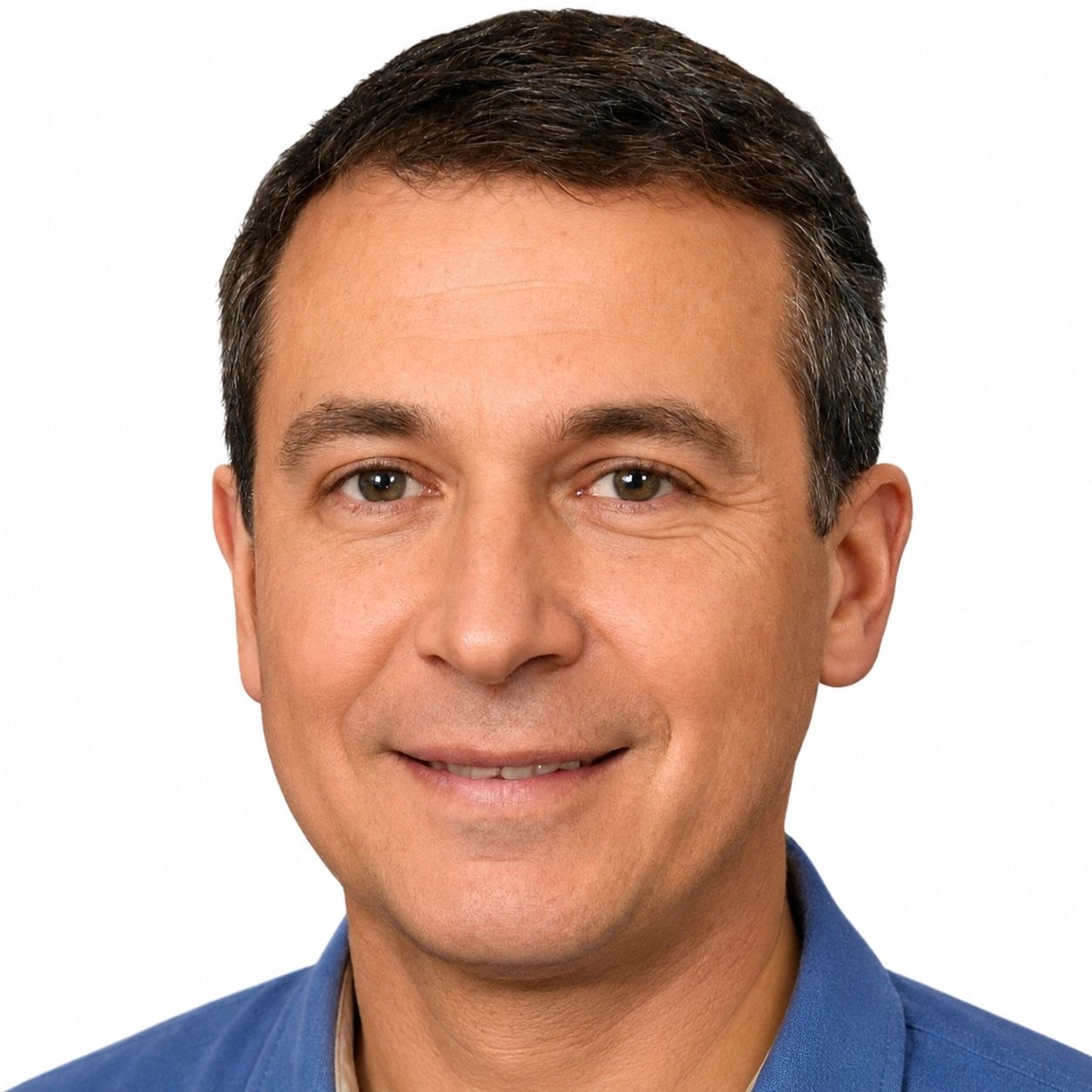
Functional neurosurgeon. Twenty-two years of deep brain stimulation practice; consultant neurosurgeon in Basel.
-->
Neurologist, movement disorders. Runs the pivotal programme and the follow-up registry.
-->
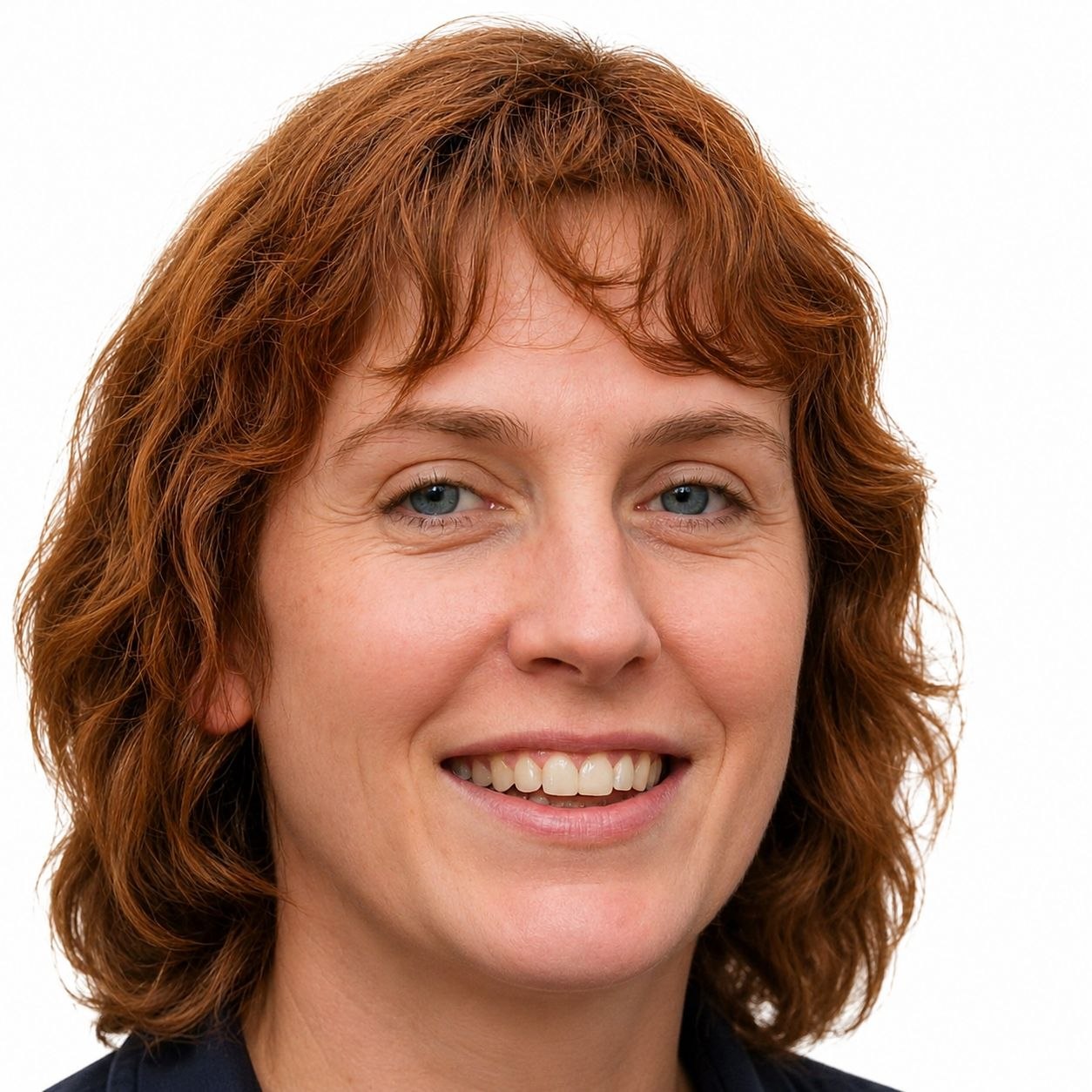
Epileptologist. Leads seizure-detection algorithm validation with our clinical partners.
-->
Neurologist. Responsible for programming protocols and clinician training in 41 centres.
-->
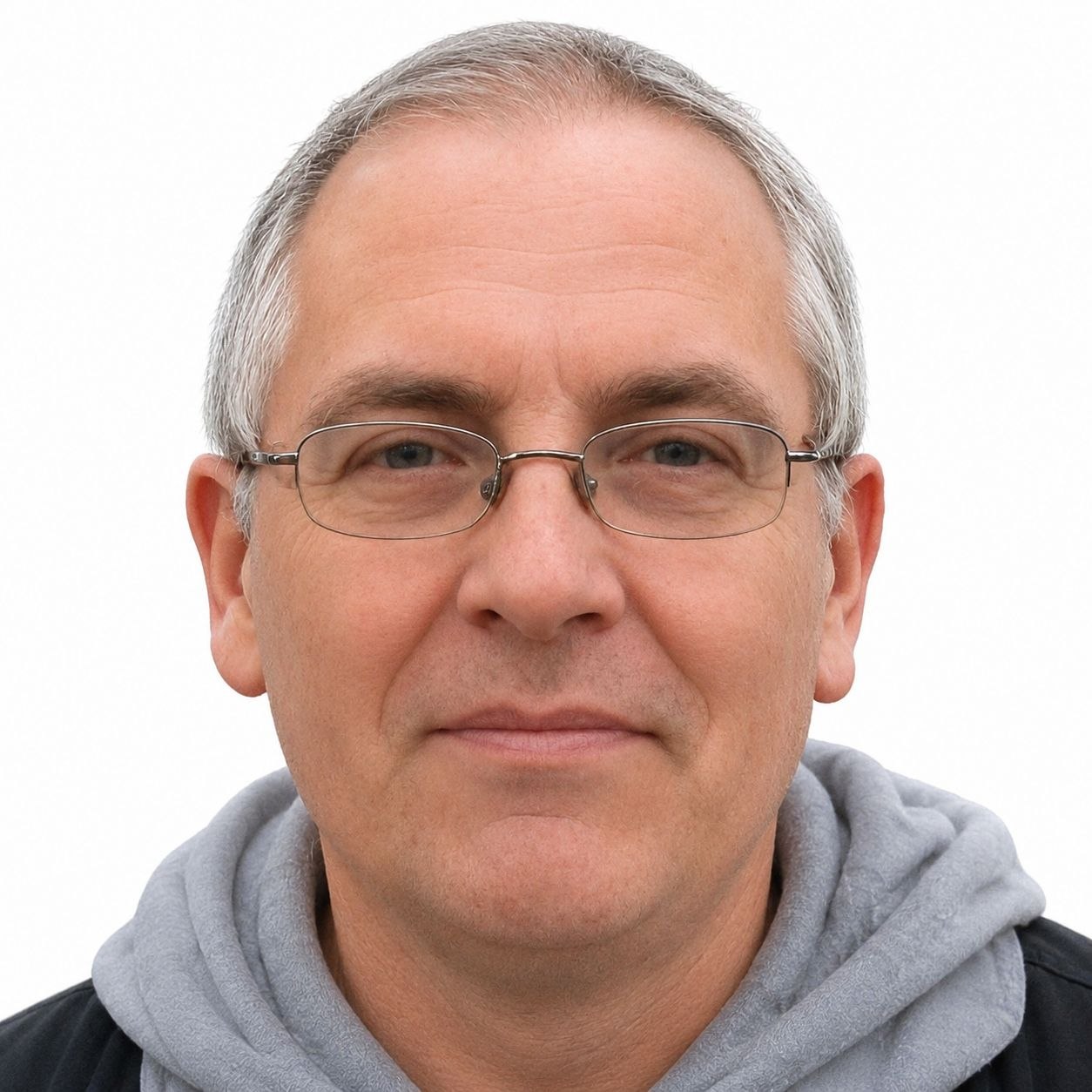
Neurologist, Lausanne. Signs off on every vigilance report before it leaves the company.
-->
Clinical neurophysiologist. Owns signal quality, from electrode impedance to artefact rejection.
-->
Neurologist. Tracks device survival and adverse events across 4,902 registry patients.
-->
Neurosurgeon, Lugano. Supports implanting teams in Italy, Spain and Portugal.
Clinical advisory board members are compensated for their time in line with our transparency policy. Disclosures are published annually.
Deliveries, clinical enquiries and vigilance reports all arrive at the same building. If your enquiry concerns a patient with an implanted device, call the clinical line rather than writing.